
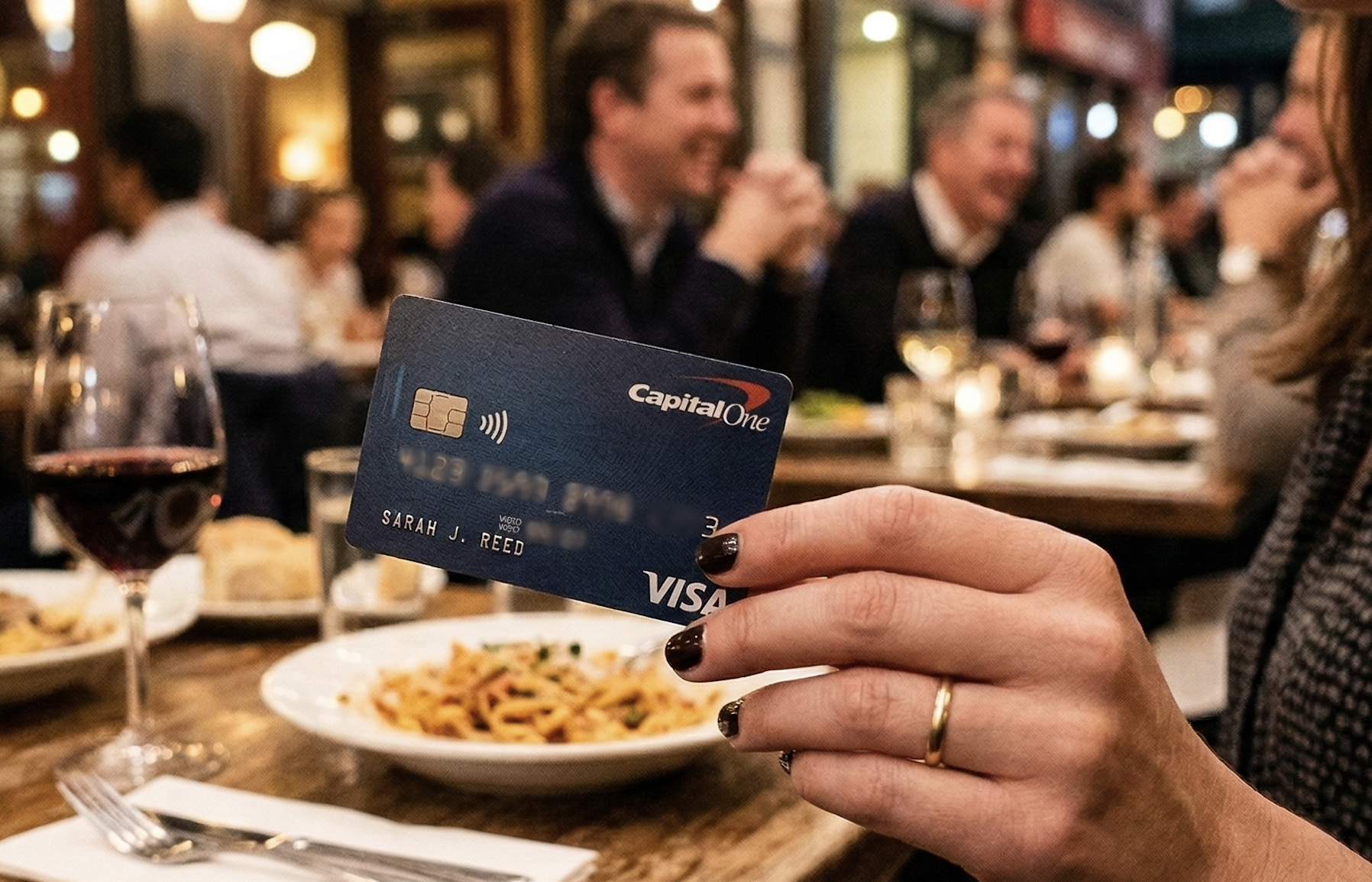
When managing a busy venue, your POS system and your event management platform are your two best friends. But if you’ve ever looked at the processing rates for a Saturday night dinner service (via Toast or Square) and compared them to an event deposit in Tripleseat, the leading cloud-based sales and event management platform for restaurants, hotels, and unique venues, you might have noticed a discrepancy.
“Why is my integrated payment rate different from my POS rate?”
It’s one of the most common questions we hear about credit card processing for events. The short answer? Not all swipes are created equal. To understand why, we have to look at how card networks define risk.
Key Takeaways: Tripleseat PartyPay vs. Your POS
- It’s About the “How,” Not the “Who”: The difference in rates isn’t set by Tripleseat; it’s determined by the card networks (Visa, Mastercard, etc.) based on how the card info is captured.
- Card-Present (CP) = Lower Risk: This applies to your standard restaurant POS where a guest physically taps or dips a chip. Because the risk of fraud is lower, the industry rate is lower.
- Card-Not-Present (CNP) = Higher Risk: Tripleseat PartyPay primarily handles remote payments (online deposits and emailed invoices). Since no physical chip is read, these carry a higher industry-standard rate to offset fraud risk.
- Manual Entry is Still CNP: Even if you have a guest’s card in your hand, if you manually key the digits into a terminal instead of using a chip reader, it is classified (and priced) as a Card-Not-Present transaction.
- Integration is the Real ROI: While CNP rates are higher industry-wide, PartyPay saves you money by automating deposit collection, eliminating manual reconciliation errors, and keeping all your financial data tied directly to your event records.
The Great Divide: CP vs. CNP
Payment transactions are categorized by the major card networks (Visa, Mastercard, American Express) into two buckets based on how the information is captured.
1. Card-Present (CP)
This is your standard “feet on the floor” transaction. The card is physically tapped, dipped, or swiped at a terminal.
- The Tech: The physical chip is read in person.
- The Risk: Lowest risk of fraud.
- The Cost: Lower interchange pricing.
- Example: A guest paying their cocktail tab at the bar.
2. Card-Not-Present (CNP)
This covers any transaction where the physical card and the merchant aren’t in the same room.
- The Tech: Information is entered online, over the phone, or keyed manually.
- The Risk: Higher exposure to fraud and chargebacks because there is no physical chip verification.
- The Cost: Higher industry-standard pricing to offset that risk.
- Example: A client paying an event deposit via a Tripleseat link from their office.
The Rule of Thumb: If you are manually keying a card number into a terminal—even if the guest is standing right in front of you—it is still classified as Card-Not-Present.

Why the Industry Prices Events Differently
It’s easy to think the platform (like Tripleseat or Toast) sets these rates, but the difference is actually universal. Whether you use Stripe, Square, or Tripleseat PartyPay, the card networks assign higher interchange categories to CNP transactions.
Because event deposits and balances are almost always processed remotely via invoice links or virtual terminals, they naturally fall into the CNP category.
| Feature | Card-Present (POS) | Card-Not-Present (Online/Event) |
| Physical Tap/Dip | Yes | No |
| Chip Read | Yes | No |
| Fraud Risk | Lower | Higher |
| Industry Pricing | Lower | Higher |
| Primary Use Case | In-restaurant service | Deposits, invoices, and remote payments |
The Integrated Advantage: Is It Worth It?
If CNP rates are higher, you might wonder why you shouldn’t just take every payment at the door. For event-driven businesses, the “savings” of a CP rate are often swallowed by the “costs” of manual labor and lost time.
Integrated Payments in Tripleseat offer ROI that goes beyond the percentage point:
- Automated Collections: No more chasing ghosts for deposits; the system does the nagging for you.
- Seamless Reconciliation: Payments are tied directly to the event record—no more cross-referencing bank statements with BEOs.
- Security & Trust: Hosted payment pages provide a professional, secure experience for your high-spend clients.
- Reduced Human Error: Manual entry leads to mistakes; automation leads to accuracy.
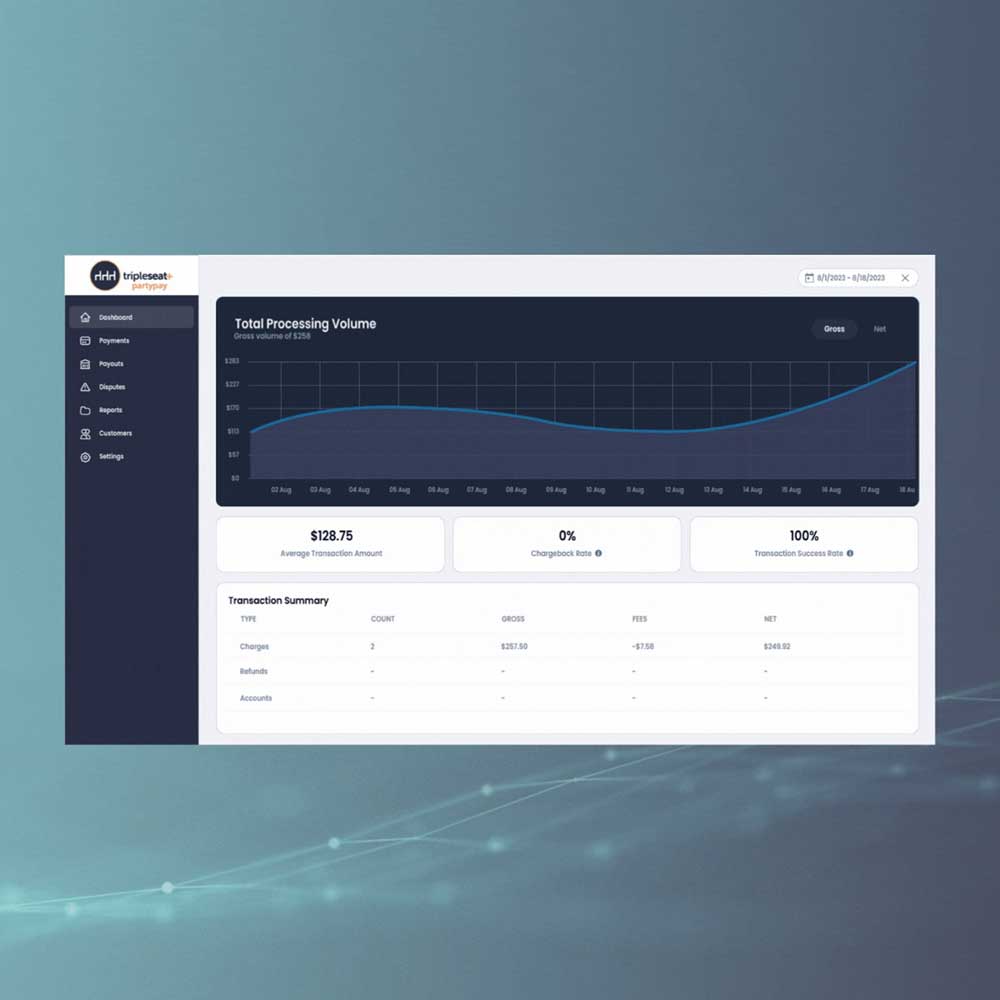
The Bottom Line
Comparing your POS rate to your event payment rate is like comparing apples to oranges—they serve different purposes and carry different risks. By using Integrated Payments, you aren’t just processing a card; you’re streamlining your entire booking workflow and securing your revenue.
Unlock secure and effortless group payments and make your next event a breeze! Discover PartyPay today!