Why Seattle Restaurants Are Upgrading Their Private Events Strategy in 2026


In the shadow of the Spheres and the tech-heavy skylines of Bellevue, a quiet revolution is happening inside Seattle’s most successful kitchens.
Private events—once considered the “extra” side of the restaurant business—have become its most tech-enhanced revenue stream. For small and mid-sized operators in neighborhoods like Ballard and Capitol Hill, the days of the dusty binder and the “info@” email abyss are over.
In 2026, the competitive edge isn’t just about the quality of your Dungeness crab or your Wagyu sliders; it’s about the speed and precision of your digital guest journey.
Digital-First Dining: Meeting the “On-Demand” Guest
Seattle is a city that runs on code. Whether you’re hosting a 20-person team dinner for a Google crew or a 50-person startup launch, your clients have been conditioned by one-click ordering and real-time tracking.
When a corporate planner from Fremont reaches out, they aren’t just looking for a room; they’re looking for a seamless digital experience. If your booking process feels like a relic from 2015, you aren’t just looking outdated—you’re losing money.
Here is how Seattle’s “Smart Restaurants” are using event management technology to outpace the competition.
1. Instant Gratification: The Lead Capture Engine
The Shift: Modern event platforms now act as a 24/7 digital concierge. In 2026, waiting 48 hours for a menu PDF is a deal-breaker. Tech-forward venues use integrated inquiry forms that feed directly into a centralized dashboard.
- The Tech Advantage: You can respond with live availability and branded proposals in minutes, not days. In the race for corporate dollars, the first restaurant to send a professional proposal almost always wins the booking.
2. Frictionless Finance: Digital Contracts & Payments
The Shift: Moving from “soft holds” to “secured revenue” via automated payments for events. The era of printing, scanning, and emailing PDF contracts is dead.
- The Tech Advantage: With tools like TripleseatDirect, guests can select their menu and sign a digital contract on their phone. This “frictionless” cycle shortens your sales window and puts cash in your bank account faster, providing a critical buffer against Seattle’s high operating costs. PartyPay makes it easy for your guests to pay for events, including deposits and final balances.
3. The “Single Source of Truth” Calendar
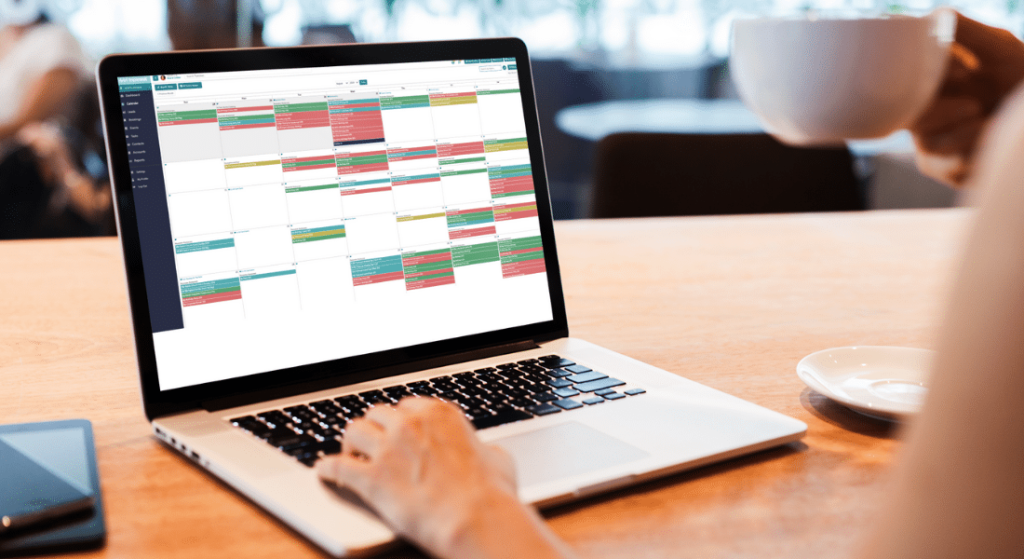
The Shift: Eliminating the “Analog Blind Spot” with cloud-based transparency. There is nothing more expensive than the “reputation tax” of a double-booking.
- The Tech Advantage: A live, cloud-based event calendar ensures that your FOH, BOH, and sales teams are looking at the same data in real-time. When a manager in the cellar knows exactly what the kitchen is prepping for the mezzanine, the “chaos factor” disappears.
4. BEO Automation: Giving Time Back to Hospitality
The Shift: Replacing data entry with high-value human interaction. In a tight labor market, you can’t afford to pay your best managers to spend 10 hours a week formatting Banquet Event Orders (BEOs).
- The Tech Advantage: Automation tools generate BEOs instantly from the guest’s initial selections. This allows your team to stop being “paperwork coordinators” and start being hospitality experts who focus on upselling and guest connection.
5. Predictive Analytics: Booking with Data, Not Guesses
The Shift: Using historical data to “yield manage” your private spaces. How do you know if your room minimum for a Tuesday in November is too low? Or if your “Holiday Package” is actually profitable?
- The Tech Advantage: 2026 event tech provides deep reporting on booking pace, conversion rates, and profit margins. You can see exactly where your revenue is coming from and adjust your strategy to target the most profitable client segments.
From “Bistro” to “Tech-Forward Venue”
The most successful Seattle restaurants in 2026 aren’t the ones with the biggest marketing budgets; they’re the ones with the most efficient systems.
By treating your private event program as a tech-enhanced system rather than a side project, you do more than just “organize” your business. You protect your margins, empower your staff, and deliver the high-speed, high-polish experience that Seattle’s corporate and social diners now demand.
The Bottom Line: Technology isn’t here to replace the “soul” of your restaurant. It’s here to remove the friction so that your soul—and your food—can actually shine.
Is Your Event Process Still Analog?
In a city built on innovation, don’t let a spreadsheet hold your restaurant back. See how Tripleseat is helping Seattle’s top operators turn their private dining rooms into predictable, tech-driven revenue engines.
Request a Demo of the 2026 Standard