How Historic Philadelphia Restaurants Can Stay Relevant and Capitalize on the Event Boom
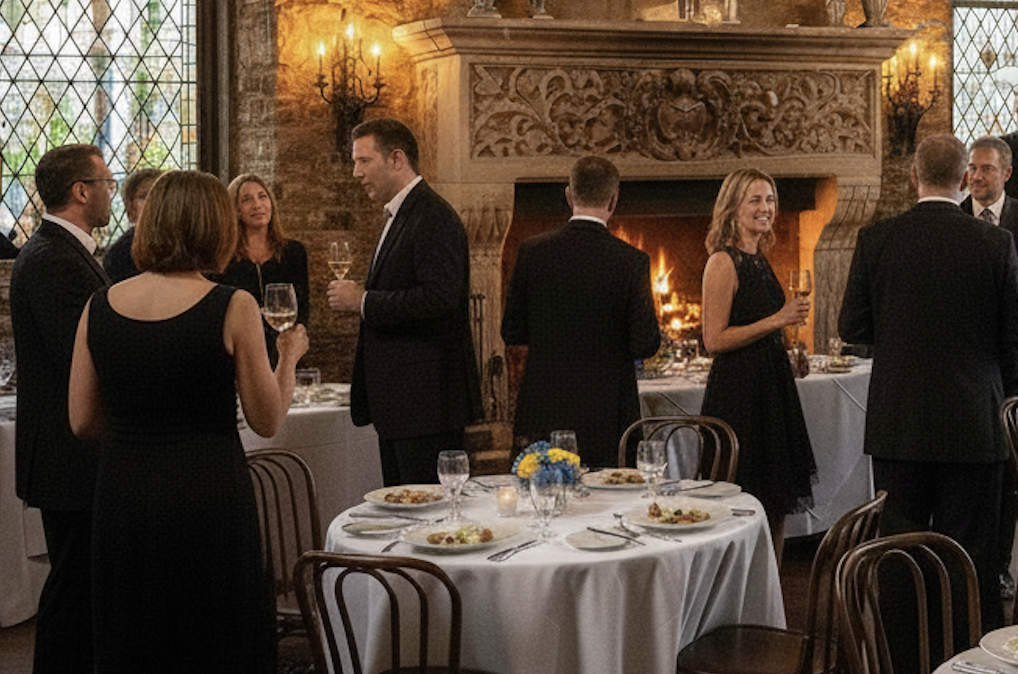

Philadelphia is a city where history and hospitality intersect—cobblestone streets, landmark buildings, and dining rooms steeped in centuries of stories. That timeless character gives local restaurants a distinct advantage when it comes to hosting memorable events. And with the Philadelphia event scene on a strong upward trajectory, the opportunity has never been greater.
Hospitality impact reports indicate that the city’s tourism and events sector is experiencing an 11% revenue increase as Philadelphia prepares for a major global moment in 2026. From the FIFA World Cup and MLB All-Star Game to the PGA Championship and the nation’s 250th anniversary, the calendar is filling fast.
The question is: how can restaurants turn historic charm into a scalable, revenue-driving event strategy?
Success lies in balance. Philadelphia restaurants that pair Revolutionary-era ambiance with modern technology and digital visibility can evolve their spaces into high-performing event destinations. To fully capitalize on the event boom ahead, venues must seamlessly connect old-world character with contemporary operational efficiency and marketing reach.
1. Master “Hyper-Local” SEO for Historic Venues
When a corporate planner from Chicago or a bride from New York searches for a space in Philly, they aren’t just looking for “food”—they are looking for a Philadelphia landmark.
- Keyword Strategy for History: Don’t just rank for “Italian restaurant.” Target high-intent, long-tail keywords like “Historic private dining Old City Philly,” “Revolutionary War era event space,” or “Historic wedding rehearsal dinner Philadelphia.”
- The “Proximity” Hack: Use your website to mention nearby landmarks. Phrases like “Located just three blocks from Independence Hall” or “A short walk from the Liberty Bell” help Google associate your venue with the heavy search volume those landmarks already generate.
- Google Business Profile (GBP) Optimization: Your GBP is your modern-day storefront.
- Post Weekly: Use “Google Posts” to showcase a photo of a candlelit dinner in your cellar with the caption: “Host your 2026 holiday party in a piece of Philly history.”
- Review Response: When a guest mentions your “rustic beams” or “original hearth,” reply and repeat those keywords! “We’re so glad you enjoyed the historic ambiance of our 1790s dining room!”
2. Become a “Trolley Stop”: Partnering with Local Tours
Philadelphia’s history tours (walking, trolley, and ghost tours) move thousands of hungry people past your door every week.
- The “Mid-Tour” Appetizer: Partner with walking tour companies like Constitutional Walking Tours or City Food Tours. Offer a “History & Hops” package where their 4:00 PM tour ends at your bar with a specific historic-themed cocktail (e.g., a “Fish House Punch”).
- Create “Tour-Specific” Landing Pages: Build a page on your site titled “The Best Lunch Spot for Independence Hall Visitors.” Include a downloadable “Historic Map of Our Neighborhood” that features your restaurant as a key stop. This creates a high-quality backlink opportunity if tour operators link to it.
- The Ghost Tour Special: If your building is in a “haunted” district, lean into it. Late-night “Ghost Tour” attendees are a prime audience for post-tour drinks and small plates.
3. Scale Operations and Revenue While Preventing “History-Making” Burnout
Managing a surge in inquiries (especially for complex historic layouts) can lead to staff burnout. To keep up with the growth without losing your mind, you must modernize your back-of-house.
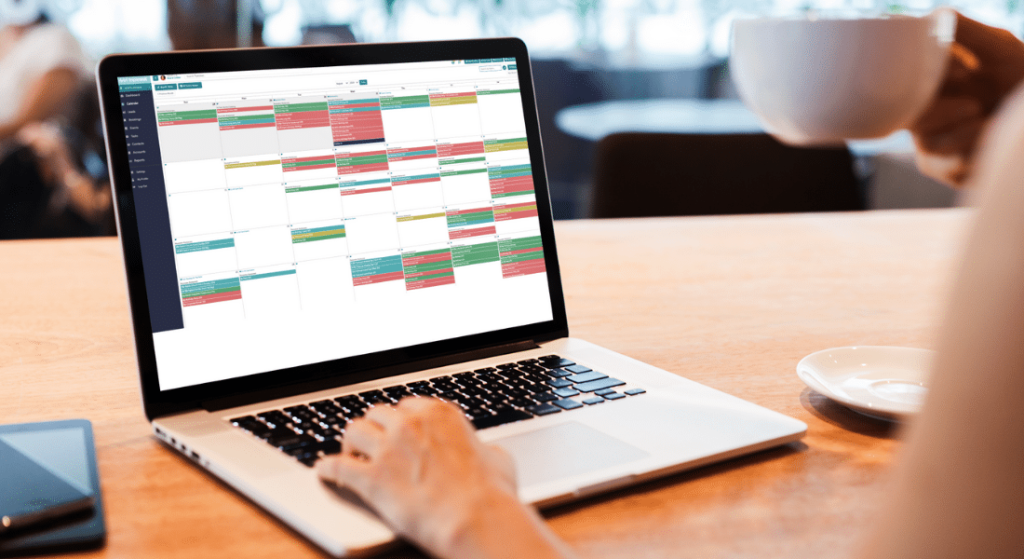
- Centralize the Chaos: Stop taking event leads via Instagram DMs and sticky notes. Use a centralized event management platform to track every inquiry from initial “History Tour” interest to the final deposit.
- Digital Floor Plans: Historic buildings often have odd shapes or narrow doorways. Provide planners with digital, interactive floor plans. This allows them to see exactly how their 50-person corporate mixer fits into your colonial-era lounge without a dozen site visits.
- Automated Inquiry Replies: During peak seasons, respond to “historic venue” inquiries instantly with an automated response and event package. Speed is often the deciding factor for planners booking multiple venues at once.
The Takeaway: Future-Proofing Philly’s Legacy
Philadelphia’s historic restaurants possess an inherent advantage that no modern banquet hall can replicate: authentic soul. In a year where the city will be on the global stage for the Semiquincentennial and the World Cup, your “old-school” charm is your highest-value product.
However, capturing the full potential of this event boom requires a modern engine under the hood. By marrying timeless appeal with high-efficiency management tools, you aren’t just “getting through” the season—you are positioning your venue as the premier choice for professional planners who demand both 18th-century ambiance and 21st-century reliability.
It’s time to let your historic charm shine, backed by the smart operations needed to turn 2026’s record-breaking foot traffic into a permanent legacy of growth. Request a demo today.