
In the events industry, “Peak Season” isn’t just a time of year—it’s a state of being. Whether you’ve made it past the holiday season, just cleared a month of back-to-back galas, or a high-intensity wedding sprint, the adrenaline drop that follows is the most dangerous time for your team’s morale and your venue’s retention.
A successful event professional doesn’t just manage the guest experience; they manage the human energy of their team. Here is the tactical roadmap to shifting from “High-Alert” to “High-Efficiency” without losing your best people to burnout.
THE TEAM “DECOMPRESSION” PROTOCOL
Just hit the finish line? Lead your team through these three “Micro-Resets” this week:
- The “No-Meeting” Wednesday: Clear the internal calendar for one full day. Give your team permission to work in silence—or not at all—without the pressure of “checking in.”
- The Gratitude Dump: Start your first post-peak huddle by highlighting one “Save” each person made. Recognizing a teammate’s quick thinking is the fastest way to lower cortisol.
- The Notification Truce: Establish a “Hard Stop” for internal comms (Slack/Text) after 6:00 PM for the next 7 days. If it isn’t a fire, it waits until morning.
1. Conduct a “No-Blame” Post-Mortem
Closure is the first step of recovery. If you don’t process the chaos, your team will carry the stress into the next booking.
- For the Individual: Journal on the one moment you felt most overwhelmed. Was it a lack of information? A tech failure?
- For the Leader: Host a 30-Minute “Friction Audit.” Ask: “Which part of our workflow felt like it was held together by duct tape?” * The Action: Take that one friction point and automate it. If “chasing final payments” was the team’s biggest headache, it’s time to switch to Tripleseat’s Integrated Payments. Letting clients pay securely online via the guest portal removes the “collections agent” burden from your event managers’ shoulders.
2. Transitioning from “Reactive” to “Proactive”
During the rush, we react. During the recovery, we build. Consider the benefits of consolidating everything into a single, efficient event management platform.
- The Lead Scrub: Use the quiet period to audit your leads. Empower your team to “Kill the Ghosts”—archive leads that have gone cold so they stop cluttering the mental space.
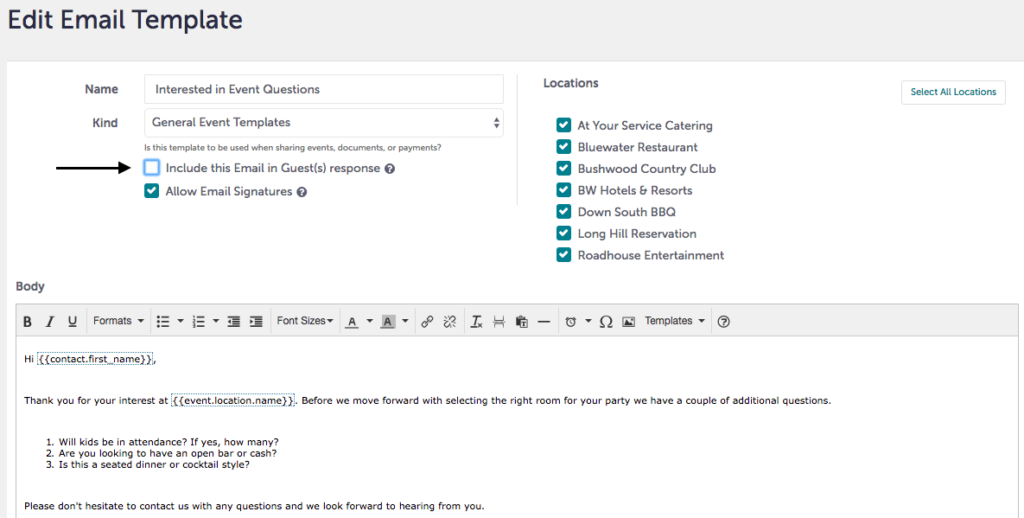
- Email Refinement: Ask your team: “Which email did you have to type manually five times this week?” Turn those into Email Templates. Saving 5 minutes per lead today saves 5 hours during the next peak.
- The Cash Flow Cleanup: Use your recovery week to run a Payments Report. With integrated payments, you can see exactly what’s outstanding without digging through paper files. Set up automated payment reminders so your team never has to send an “awkward” follow-up email again.
3. Tactical Recharging: The “Shift” in Environment
Burnout happens when the office feels like a “stress trigger.”
- Change the Scenery: If possible, allow the team to work remotely or from a local coffee shop for a few days.
- The “Guest Experience” Reset: Take the team to a competitor’s venue for lunch. Being the guest instead of the host reminds everyone why they fell in love with hospitality in the first place.
- Remove the “Paper Weight”: Nothing clutters an office—or a mind—like stacks of contracts and credit card authorization forms. Moving to a fully digital, integrated payment and contract system literally clears the physical desk, making the office a calmer place to return to.
INTERACTIVE: THE TEAM RESILIENCE CHECK
Where does your department sit on the “Post-Peak” scale?
| Status | Team Symptom | The Leader’s Move |
| The Burn | Short tempers, “siloed” working, high absenteeism. | Mandatory Downtime. Send them home early. The work will be there tomorrow; their sanity might not. |
| The Fog | Slow response times, “good enough” attitude, missed details. | The “Small Win” Sprint. Set one tiny, achievable goal (e.g., “Let’s clean the sample closet”) to regain a sense of control. |
| The Flow | High energy, sharing “war stories,” looking at the calendar. | Upskill. This is the time to dive into advanced Tripleseat reporting or integrated payment features. |
4. Invest in “Systemic Self-Care”
Individual self-care (yoga, sleep, water) is vital, but Systemic Self-Care is better. It means using technology to do the heavy lifting so your team doesn’t have to.
- Task Management Mastery: Use Tripleseat Tasks to clearly assign responsibilities. When everyone knows exactly what is on their plate, the “Sunday Scaries” disappear.
- BEO Automation: If your team is still manually building BEOs, they are burning creative fuel on clerical work. Use the recovery period to perfect your document templates.
- The “One-Click” Close: If your team is still manually reconciling payments at the end of an event, they are burning creative fuel on clerical work. Integrated payments sync directly with your bookings, turning an hour of accounting into a ten-second click.
Build a Team That Doesn’t Just Survive—They Scale.
The best venues aren’t run by exhausted heroes; they’re run by supported teams with elite systems.
The best venues aren’t run by exhausted heroes; they’re run by supported teams with elite systems.
Explore Tripleseat Features to see how we help the world’s best event teams stay organized, even when the “Peak” never seems to end.