
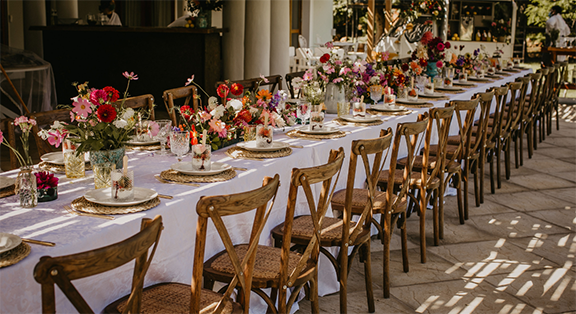
Offering private events as part of your restaurant business plan will generate revenue well beyond your regular dine-in business. In fact, private and semi-private events can generate 30% more revenue than typical dine-in due to typically larger spending and the ability to plan food costs ahead of time. In today’s market, it just makes smart business sense to include events into your revenue strategy.
We’ve put together a list of five important steps to take to establish a successful private or semi-private event model in your restaurant’s business plan. Keep in mind that using technology will make your events even more efficient and profitable. Win-win!
1. Define Your Event Spaces
When adding events to your restaurant business plan, you’ll want to really consider your available space. Think about accessibility for staff and guests to the kitchen, bar, bathrooms, and more.
Take advantage of any areas you can use as a private or semi-private event area. Consider an underused storage room or outdoor space as a redesigned event area. Or, divide off part of your existing dining room with table placement, half walls, curtains, or creative decor for semi-private parties. Be creative and make sure to add decorative elements that make the most out of your event experience.
Certainly, a private space has advantages, including the types of events you can hold, including rehearsal dinners, bridal and baby showers, family reunions, and business meetings. These types of parties tend to be fairly easy to manage without disrupting normal dining business. If you do not have any space to use as a private event room, you can still hold semi-private events within an area of your dining space.
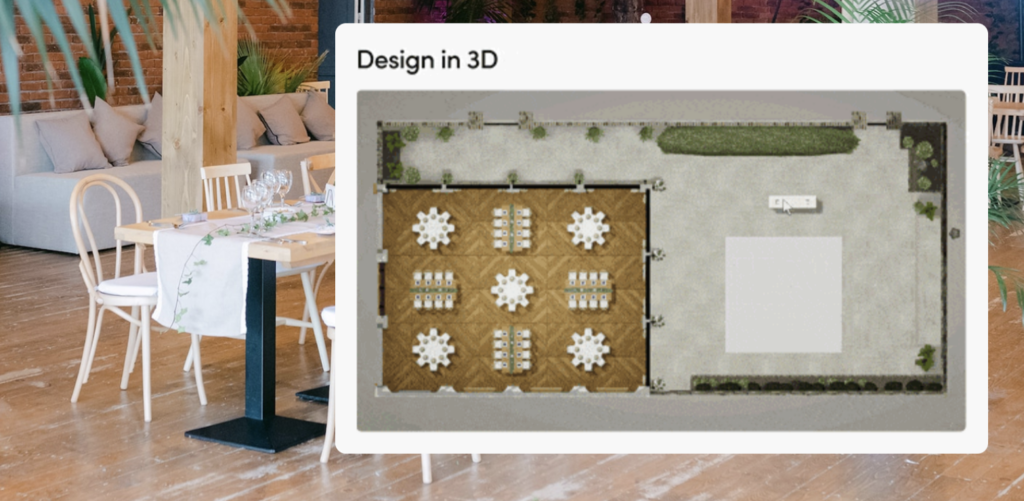
Once your event space is defined, make a visual diagram of your event space so potential clients can visualize their event and staff know how to set the room. Need a tool for that? Check out Tripleseat Floorplans for easy 2D and 3D event planning.
2. Decide on Event Packages and Event Menu Options
A great way to get started in offering events at your restaurant is to create a few packages that customers can quickly book. Think an intimate dinner party, a mid-size corporate event with an onsite bartender, or a giant rehearsal dinner buyout with an open bar and a buffet. Also, make add-on amenities like wifi, A/V and tech support, breakout rooms, lighting options, and indoor and outdoor signage displays, a part of your event options. Decide on some basic amenities that are included in your packages and others that may be an additional cost. Don’t feel the need to outline every detail a potential event could have. Let your clients have the ability to make customizations.
As for your food and beverages, it’s unlikely that your private events menu offerings will be exactly like your regular dining menu. You can list out different options for courses or apps and have your client pick one to three options. Think about whether you’ll offer private events only in the evenings or potentially for breakfast and lunch as well. Then, determine the best dishes for small and large-volume evenings. Next, decide if you want to offer more family-style buffet options or prix fixe. Make sure to consider the beverage menus as well as these will provide added revenue to your events.
3. Establish Event Contracts
As part of your restaurant business plan, you’ll want to include legally binding contracts as it relates to your events. You will protect your business by outlining what services you are providing and what you require of the client. These contracts are called banquet event orders or BEOs.
The key elements to include in your event planning BEOs are:
- Services rendered
- Payment schedule
- Cancellation terms
- Any other terms and liabilities you want to be covered
Save time and money by customizing a BEO template provided free by Tripleseat, and reading our helpful handbook on BEOs:
4. Develop Event Staff
Having a well-trained event staff can make or break your restaurant’s events. When developing your program, you can either transition your current dining staff or bring on event-exclusive team members. It all depends on your venue size and needs.
No matter how you establish your event team, it’s crucial to define who does what tasks. Make sure you have roles outlined in your contracts between you and your staff or agency. Take the time early on to ensure everyone is fully trained in their role and to answer any questions they may get about your event offerings.
5. Give Your Customers the Ability to Self-Book Events
One way to make sure your events program is a successful piece of your restaurant business plan is to make sure you capture event bookings easily and manage all the event details well. Start on the right foot by adopting the right private event management software.
TripleseatDirect will make it easy for you to take on new events set by your parameters quickly. Have your customers book specific spaces directly from your website, social media, or EventUp listing. Set up your menu offerings and have them pay in advance. Once event details are in your Tripleseat dashboard, your team will have all the necessary event details and tasks in place.
Want to Know Even More About Increasing Revenue with Events?

Use the Best Software to Manage Your Private Events
Now that you know how to start an events program from scratch, use Tripleseat to help your venue manage them. If you’re not a Tripleseat customer and you’re interested in learning more about Tripleseat’s event management tools and CRM features, schedule a demo at your convenience to take a closer look.