From Chaos to Coordination: A Unified Strategy for University and Stadium Event Operations
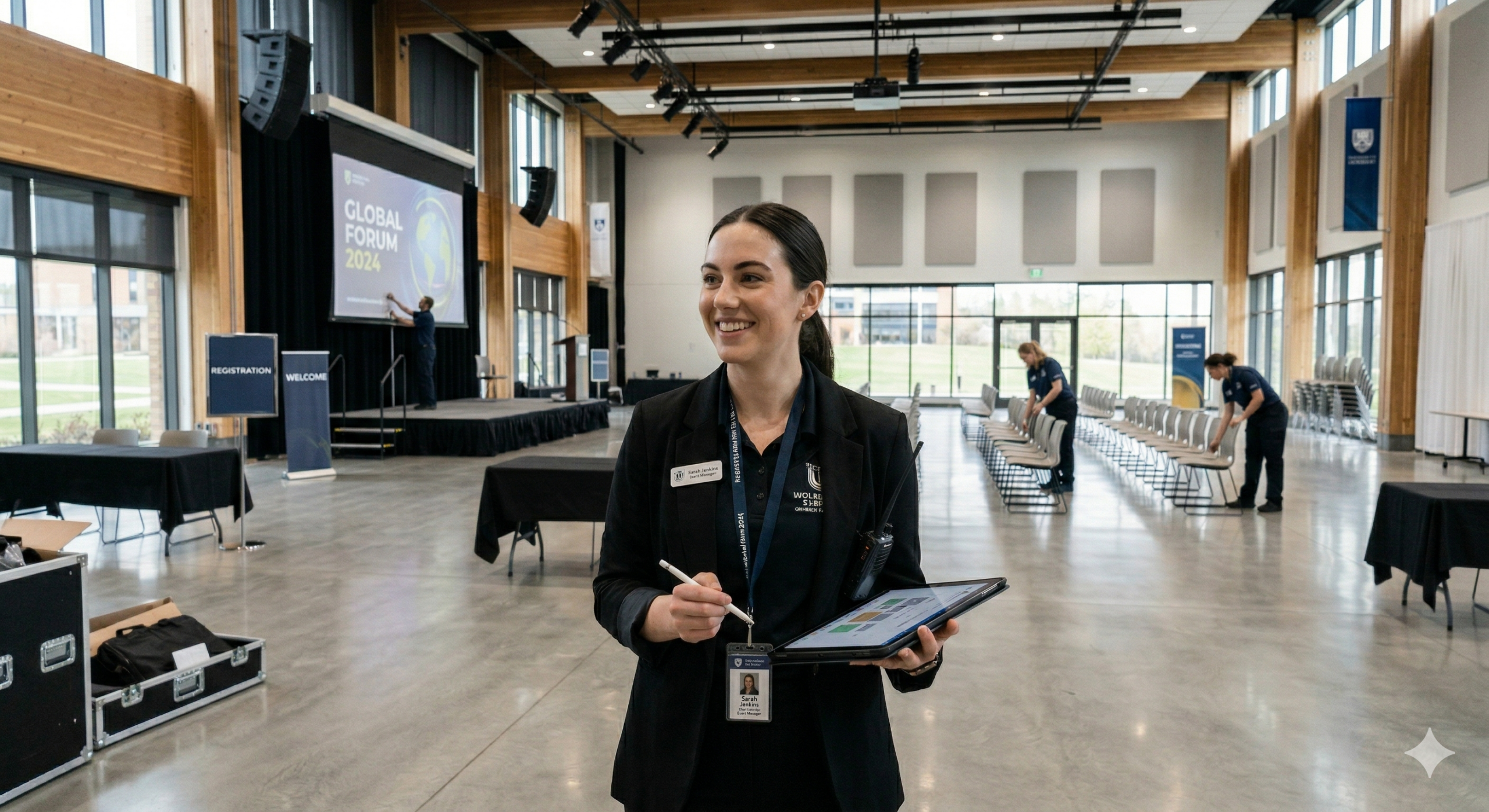

In higher education, campus venues typically operate as silos. Athletics manages the stadium, Conference Services handles the ballrooms, and Alumni Relations tracks donor galas on private spreadsheets. This decentralization creates double-bookings, 48-hour response lags, and lost rental revenue.
To run a campus like a professional enterprise, you must bridge the gap between departmental autonomy and operational efficiency through modern event management technology.
As the leading cloud-based sales and event management platform for restaurants, hotels, unique venues, universities, and stadiums, Tripleseat has helped over 19,000 venues worldwide capture billions in event revenue. We provide more than a reservation calendar; we deliver the centralized visibility and automation necessary to bridge the gap between academic scheduling and professional event execution. By aligning cross-functional teams and protecting departmental autonomy, Tripleseat transforms your campus operations into a sophisticated driver of long-term institutional growth.
Key Takeaways: Mastering the University Event Ecosystem
To transition from fragmented departmental silos to a high-performing institutional model, keep these strategic pillars in mind:
- Unified Intake: Replace fragmented emails with a single digital lead form to drastically improve “speed-to-lead” and booking rates.
- Hospitality CRM: Use purpose-built tools for BEOs and floor plans to reduce setup errors and increase event volume.
- Tiered Autonomy: Centralize visibility for leadership while allowing individual departments to keep control over their specific calendars.
- Frictionless Booking: Professionalize the experience with digital contracts and integrated payments to secure repeat clients and donors.
- Data-Driven ROI: Track venue yield and revenue trends to move away from intuition and justify budget requests with hard KPIs.
Here is how to coordinate your campus venue management so that you drive revenue:
1. Build a Unified Digital Intake
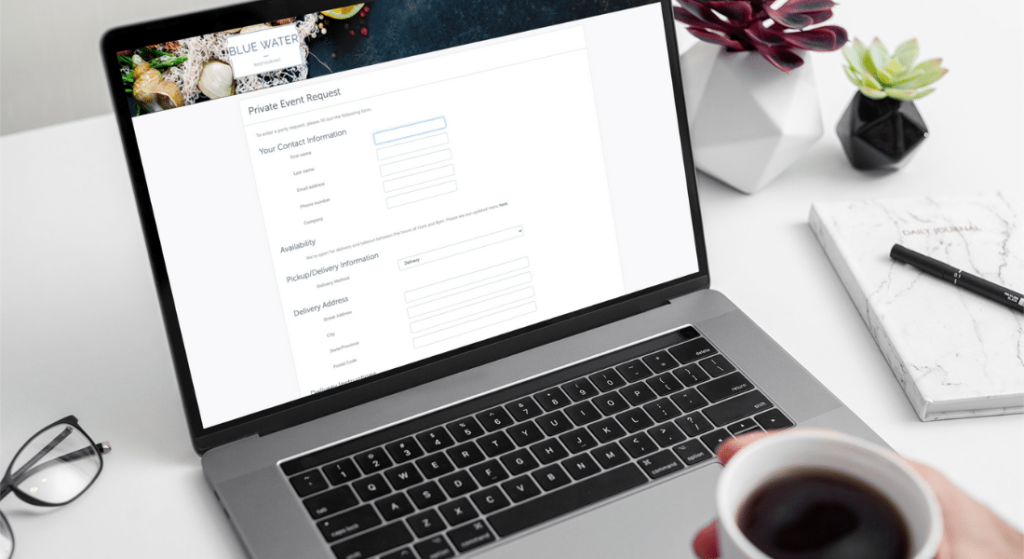
Inquiries often disappear into “departmental voids” because they arrive via personal emails or outdated phone lines.
- The Move: Replace “Contact Us” text with a single, digital lead-capture form embedded on every venue page—from luxury stadium suites to the campus quad.
- The Outcome: Automated lead tracking ensures a corporate planner receives a professional quote within 2 hours rather than 2 days. Speed-to-lead is the primary driver for increasing booking conversion rates.
2. Connect Scheduling to Hospitality Execution
Academic tools like 25Live or EMS are built for room reservations, not the complex hospitality requirements of a three-day symposium or a stadium concert.
- The Move: Use a dedicated hospitality CRM to manage “granular” details—AV requirements, specific F&B banquet event orders (BEOs), and real-time floor plans.
- The Scenario: When the catering team sees a layout change on their mobile device instantly, you eliminate “day-of” setup errors. This allows your existing staff to manage more event volume without increasing headcount.
3. Implement Permissions-Based Autonomy
The biggest barrier to centralization is the fear of losing control. Software should provide visibility without stripping departments of their decision-making power.
- The Move: Set up a centralized system with tiered access. The Athletics department maintains full ownership of the stadium calendar, while the Arts department curates the theater schedule.
- The Benefit: Leadership gains a “bird’s-eye view” of total campus utilization for strategic planning, while departments keep their specialized workflows.
4. Standardize the Guest and Donor Experience
External clients—whether wedding parties or corporate partners—expect a frictionless booking journey. Fragmented processes make a prestigious institution look disorganized.
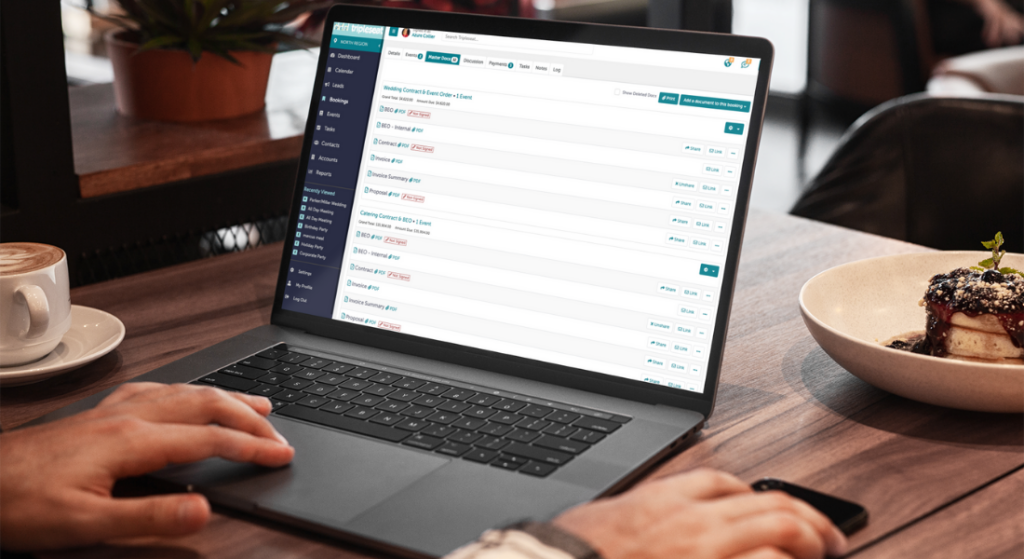
- The Move: Standardize all external-facing documents. Use digital contracts and integrated payment processing to replace “print, sign, and scan” workflows.
- The Contrast:
- Before: A donor waits three days for a contract and mails a paper check for a scholarship dinner.
- After: A donor signs a digital contract and pays the deposit via a secure link in minutes. Professionalism creates “sticky” clients who return year after year.
5. Transition from Intuition to Data-Driven Decisions
Most universities cannot identify their most profitable square footage. Without centralized data, you cannot prove the ROI of your facilities.
- The Move: Track all event types in one system to pull real-time reports on:
- Venue Yield: Which spaces remain empty during summer breaks?
- Booking Trends: Are corporate meetings generating more F&B revenue than internal department retreats?
- The Goal: Use these KPIs to justify budget requests or to pivot marketing efforts toward high-growth event segments, such as youth sports camps or tech conferences.
Stop Managing Events in the Dark
Spreadsheets and email threads create an operational ceiling. As your portfolio grows to include concerts, VIP hospitality suites, and multi-departmental conferences, you need a purpose-built platform.
Tripleseat enables colleges and stadiums to centralize inquiries, manage inventory, and align teams while respecting each department’s unique workflows.
Book a Tripleseat demo to see how to scale your campus event operations.