Celebrating Black History Month in Your Restaurant: Ways to Honor the Culture and Community With Events

Black History Month is more than a line item on a marketing calendar. For the hospitality industry, it is a profound opportunity to acknowledge that much of the foundation of American cuisine—from the techniques used in world-class kitchens to the crops that define our seasons—was built by Black hands, hearts, and minds.
Celebrating Black History Month in your restaurant isn’t just about adding special menu items; it’s about honoring culture, fostering community, and using your platform to elevate Black voices.
Here are six ways to create a celebration that is impactful, educational, and authentic.
1. Tell the Story Behind the Plate
The most powerful tool in a restaurant is the menu. Instead of just listing ingredients, use your menu (or your social media) to educate guests on the African and Caribbean roots of your dishes. Curate a series of dining experiences.
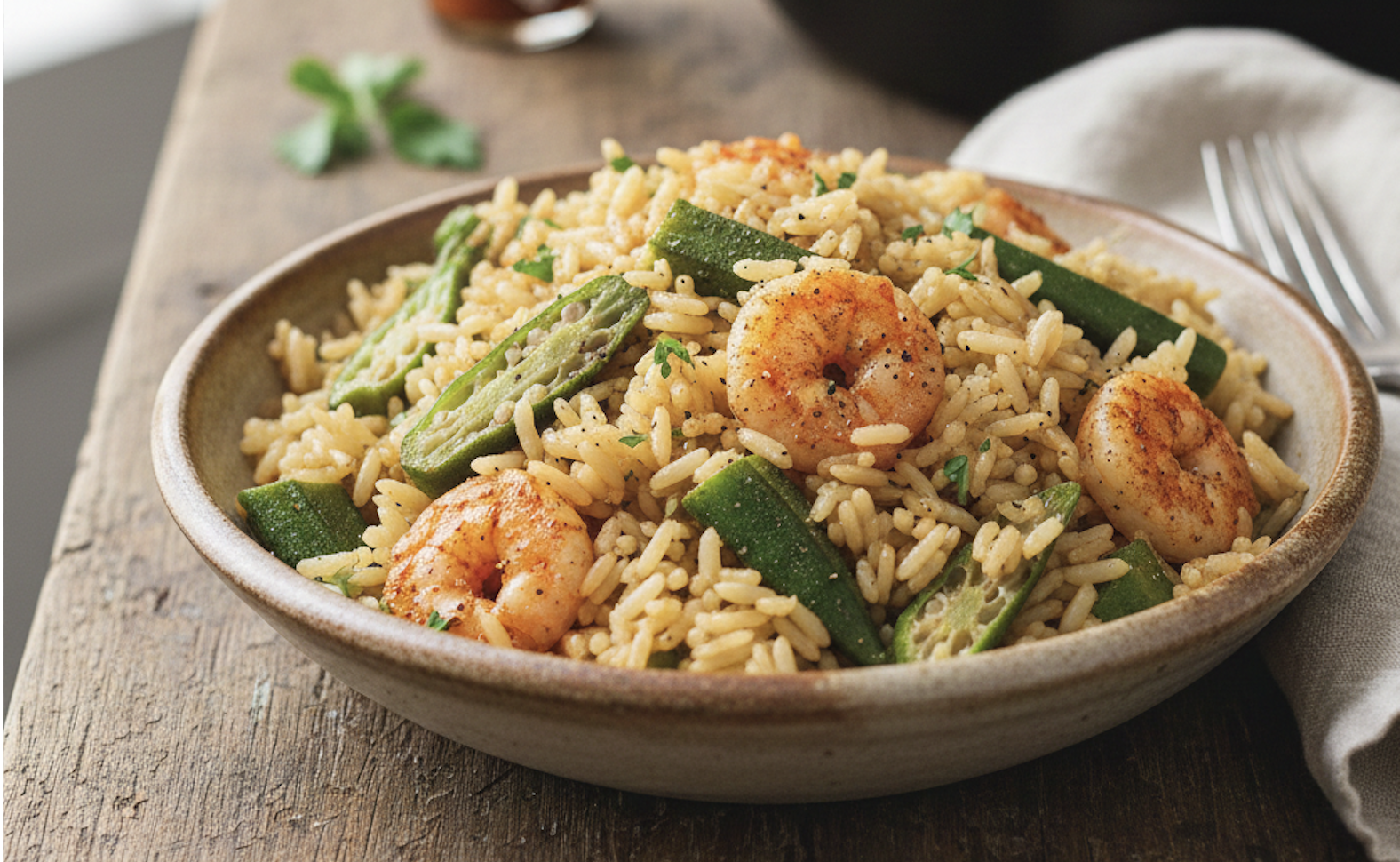
- The Action: Does your menu feature okra, yams, or Carolina Gold rice? Share the history of how these ingredients arrived in the Americas. Highlighting the “Culinary DNA” of a dish creates a deeper, more respectful connection for the diner.
- Pro Tip: Use the “Notes” section of your digital menu or a QR code to link to a blog post about the Black culinary pioneers who inspired your current offerings.
2. Host a “Guest Chef” Showcase
Collaboration is the heartbeat of hospitality. Use your space to provide a platform for emerging Black chefs, caterers, or bakers in your community.
- The Action: Host a ticketed “pop-up” dinner where a local Black chef takes over the kitchen for the night. This introduces your regulars to new flavors and provides the guest chef with a professional venue and new audience.
- Tripleseat Tip: Use Tripleseat Tickets to manage sales, track dietary restrictions, and ensure the event runs smoothly from the first booking to the final course.
3. Source from Black-Owned Producers
Your impact is often found in your supply chain. Use this month to audit your vendors and intentionally partner with Black-owned businesses.
- The Action: Feature a “Flight of Black-Owned Wines” (such as McBride Sisters or Theopolis Vineyards) or source your coffee, spices, or spirits from Black-owned brands.
- The “Why”: Long-term equity in the food industry starts with where we spend our procurement dollars.
4. Feed the Community (Literally and Figuratively)
Black History Month is rooted in community organizing. Your restaurant can serve as a hub for local progress.
The History: Take inspiration from Georgia Gilmore, who used her “Club from Nowhere” to cook and fund the Montgomery Bus Boycott. Restaurants have always been the engine rooms of change.
The Action: Partner with a local non-profit focused on food justice or Black youth mentorship. You might donate a percentage of proceeds from a specific “Legacy Dish” or host a “Community Table” event where local leaders can speak.
5. Prioritize Internal Education
Authenticity starts behind the kitchen door. Ensure your staff understands the significance of the month and the history of the cuisine they are serving.
- The Action: Organize a staff tasting and “History Session.” Invite a local historian or chef to speak to your team about Black culinary history. When a server can tell a guest the story of James Hemings (the first American to train as a chef in France) while serving a meal, the guest experience is transformed.
6. Make it a 365-Day Commitment
The biggest pitfall in cultural celebrations is “performative activism”—honoring a community in February and forgetting them in March.
- The Action: Use Black History Month as a launchpad. If you find a Black-owned vendor you love, keep them on the permanent rotation. If a guest chef event is successful, make it a quarterly series.
- The Goal: Moving from celebration to integration.
We are constantly inspired by our customers, like Lucille’s in Houston. Named after the legendary Lucille B. Smith—an entrepreneur, chef, and educator who revolutionized the food industry—the restaurant doesn’t just serve incredible food; it operates the Lucille’s 1913 non-profit, which provides meals to the underserved. They are a prime example of how a restaurant can be a vessel for history and a tool for the future.
How to Get Started
Whether you are planning a small menu tweak or a month-long event series, the key is to lead with humility and respect. Use your platform to shine a light on the people and the history that make our industry so vibrant.
Ready to plan your Black History Month event? Schedule a Tripleseat demo to see how our event management software can help you organize and execute your most meaningful events yet.