Restaurant Technology: Top Trends and Tools Shaping the New Year in 2026

The restaurant industry has never been more competitive. Rising food costs and persistent labor shortages are squeezing margins, while customers demand faster, more personalized, and digitally-native experiences. In 2026, a great menu is just the entry fee. The real winners will be the restaurants that leverage technology to work smarter, not harder.
As a restaurant manager, the restaurant tech choices you make this year will directly impact your efficiency, profitability, and guest satisfaction. Are you planning for this coming new year and strategizing with the right restaurant technology? Let’s get into the top trends that will shape tech in 2026 for our industry.
What is the Meaning of Restaurant Technology?
Restaurant technology refers to the wide range of solutions and tools used in the restaurant industry. This can include on-premise and off-premise software, various front-of-house (FoH) and back-of-house (BoH) equipment, and digital platforms. Ultimately, restaurant tech is designed to enhance the efficiency, management, and profitability of restaurant operations.
Whether you’re a small café owner or managing a chain of luxury dining spots, awareness of the latest tech tools is crucial. Let’s explore the 2026 restaurant technology trends setting the stage for success.
Why is Restaurant Technology Beneficial?
Technology has revolutionized the restaurant industry, streamlining operations and enhancing the dining experience. For any manager, embracing these tools is no longer optional—it’s crucial for gaining a competitive edge, boosting financial performance, and improving both customer and staff satisfaction.
Competitive Advantage
Restaurants that embrace technology position themselves ahead of competitors. Modern ordering and payment options meet growing customer expectations for convenience, while robust backend systems enable faster service. This technological edge often translates to higher ratings and increased market share.
Operational Efficiency
Restaurant management systems dramatically streamline daily operations by automating inventory tracking, staff scheduling, and order processing. This automation typically reduces manual workload by 30% and cuts administrative time in half, allowing managers to focus on customer service and business growth.
Financial Performance
Digital solutions directly impact the bottom line. Restaurants often see food costs decrease through precise inventory management, while dynamic pricing can boost average check sizes. Integrated payment systems also reduce accounting errors and speed up end-of-day reconciliation.
Customer Experience
Modern tech enhances the dining experience in measurable ways. Digital ordering reduces wait times, while personalized loyalty programs increase customer return rates. Mobile payment options also boost satisfaction by providing convenience.
Data-Driven Insights
Advanced analytics provide owners with actionable intelligence. By tracking customer preferences, peak hours, and sales patterns, restaurants can make informed decisions about staffing, inventory, and menus, leading to better forecasting and resource allocation.
Staff Satisfaction
Technology simplifies many aspects of restaurant work. Digital systems can reduce order errors by up to 30% and streamline communication between FOH and BOH. This efficiency leads to less workplace stress and can result in lower staff turnover.
Marketing Effectiveness
Digital tools enable sophisticated marketing strategies through customer data. Restaurants using CRM systems see higher promotional response rates and can track marketing ROI. Personalized offers based on dining history can also increase average order values.
Tech Trends for the Restaurant Industry
Pillar 1: The Automated Customer Experience
This pillar focuses on guest-facing technologies that create a seamless, fast, and personalized journey. From ordering to payment, these tools reduce friction and provide modern convenience.
Digital Menus & Self-Service Kiosks
These tools (touchscreens, QR codes) empower customers to browse, customize orders, and pay independently. This reduces wait times, minimizes errors, and frees up staff to focus on higher-value service.
AI-Powered Voice & Chatbots
Hands-free ordering through devices like Alexa and Google Assistant is becoming common. AI chatbots and virtual assistants can manage reservations and answer inquiries 24/7, offering a highly efficient experience.
Contactless Payments & Mobile Bill Splitting
Driven by demand for convenience, “tap-to-pay” and mobile wallet solutions (Apple Pay, Google Pay) are now standard. This trend also includes eliminating the headache of “can we split the check?” Modern apps and platforms now allow customers to split checks and tip directly from their smartphones. For example, tools like Tripleseat PartyPay are designed specifically for group dining, simplifying this process for both guests and staff.

Augmented Reality (AR) and Virtual Reality (VR)
Emerging technologies like AR will allow customers to visualize dishes in 3D on their phones before ordering. VR can create immersive, themed dining experiences or be used for virtual staff training in a safe environment.
Pillar 2: The ‘Smart’ Back-of-House
This pillar is all about the engine room. These technologies leverage data and automation to optimize the kitchen for maximum efficiency, consistency, and cost savings.
Robot-Assisted Kitchens
Robots are emerging to handle repetitive tasks like chopping, stirring, and frying. This ensures consistency and speed while helping to address labor shortages, allowing chefs to focus on creativity.
Smart Management & IoT
The “Internet of Things” (IoT) connects your equipment. Smart refrigerators and ovens can monitor inventory levels, track ingredient shelf life, and predict order quantities. This minimizes waste, reduces costs, and ensures freshness.
Food & Beverage Cost Solutions
Specialized platforms are crucial for a healthy bottom line. These tools automate invoices, track inventory, and connect with suppliers and your POS to give you real-time data on food and beverage costs.
Eco-Friendly Technology
Sustainability is key. This includes energy-efficient smart appliances, waste-tracking tech to monitor and minimize food waste, digital menus to reduce paper, and sustainable packaging solutions.
Pillar 3: Data-Driven Management & Personalization
This is the “brain” of the modern restaurant. These systems are evolving from simple transaction tools into powerful data hubs that help you make smarter decisions and build customer loyalty.
Advanced POS Systems
The next generation of Point-of-Sale systems are unified command centers. They integrate seamlessly with inventory, loyalty programs, and online ordering. Cloud capabilities provide mobility, allowing managers to access real-time data from anywhere.
AI & Predictive Analytics
AI is the key to unlocking your data. It powers chatbots, optimizes inventory by predicting demand (reducing waste), and refines staffing by anticipating peak times. On the marketing front, it delivers hyper-targeted campaigns.
Hyper-Personalized Experiences
Customers now expect personalization. Tech-powered customization uses data to create tailored interactions. AI-driven systems analyze preferences and past orders to offer specific menu recommendations and personalized promotions.
Wearable Tech
An emerging trend, wearable devices for staff can alert them when a table needs service or wants to speak to a manager. This promises to increase response speed and dramatically improve the guest experience.
Pillar 4: Event & Revenue Channel Management
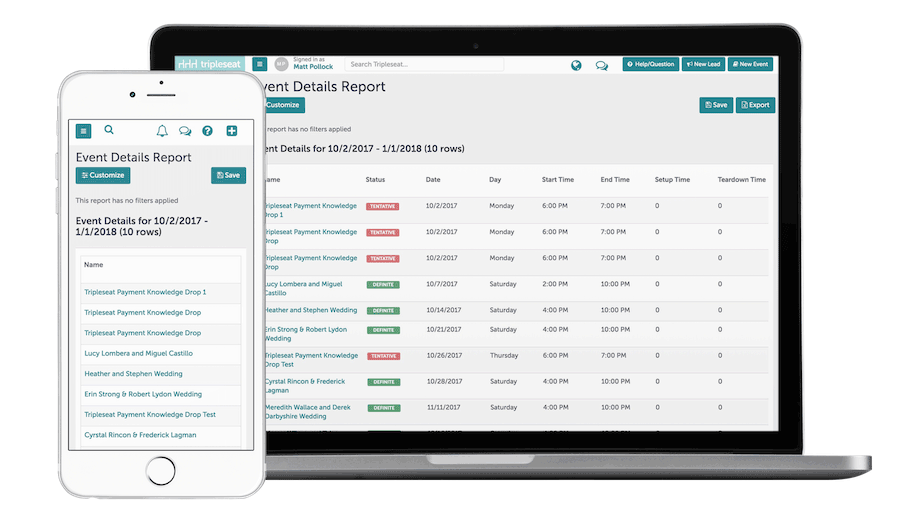
A restaurant’s revenue is no longer just about walk-in diners. This pillar covers the critical technologies needed to manage all your other revenue streams, from online orders to full-scale private events.
Event & Private Dining Management
For restaurants with event services, private dining, or catering, specialized event management software is a game-changer. Platforms like Tripleseat are built specifically for this, simplifying the entire booking process, document management, communication, and reporting.
Online Ordering Platforms
Indispensable tools for expanding a restaurant’s reach, these platforms (both direct-to-consumer and third-party apps) provide user-friendly interfaces, real-time tracking, and integrated payments to streamline the off-premise ordering process.
(A 2024 industry report noted that 92% of top-performing restaurants now offer mobile ordering, highlighting the massive shift to digital channels.)
Reservation and Booking Systems
Online marketplaces like OpenTable and Resy make it easy to fill empty seats. For larger groups and private dining, specialized tools like TripleseatDirect go a step further, allowing customers to self-book large party reservations, private events, and catering directly from your website.
How Tripleseat Aligns with 2026 Tech Trends
Staying updated with technology isn’t just a nice-to-have—it’s essential for survival and growth. The 2026 trends above all point to a more connected, efficient, and data-driven restaurant.
To remain competitive and offer an unmatched dining experience, leveraging the right tech is the way forward. Tripleseat’s suite of tools is designed to power this future, helping you:
- Manage new revenue channels with best-in-class event and catering management (Pillar 4).
- Automate the customer experience by allowing self-service booking for large parties with TripleseatDirect (Pillar 4).
- Reduce friction and improve satisfaction with seamless group bill splitting via Tripleseat PartyPay (Pillar 1).
- Make data-driven decisions with robust reporting on your most profitable revenue streams (Pillar 3).
The future of the restaurant industry is here, and it’s tech-infused! Are you ready?
Schedule a demo today to find out how Tripleseat can streamline your operations and propel your restaurant into the future.