
How Restaurants Can Maximize Revenue During the World Cup
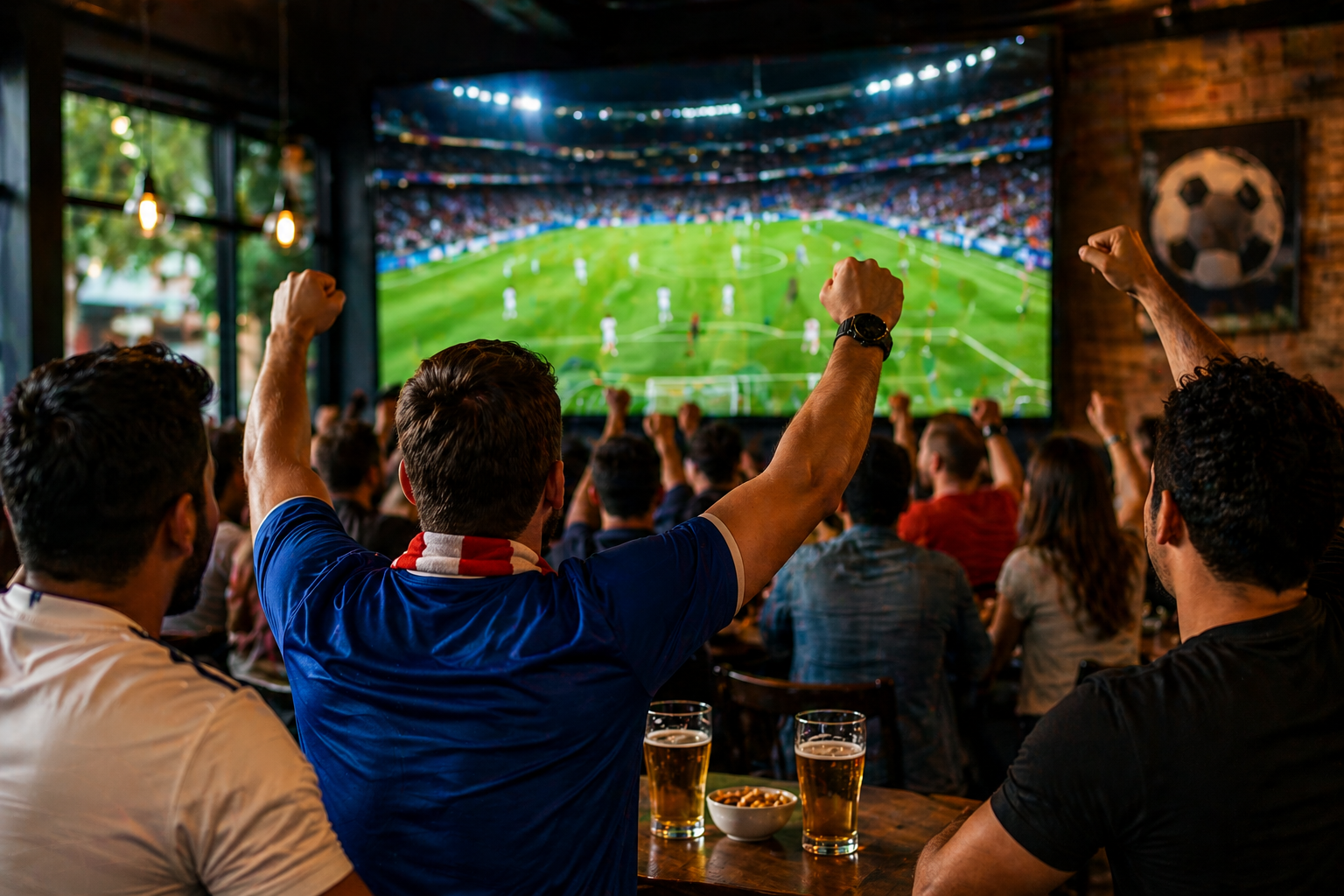

With the 2026 World Cup spanning 16 host cities across the U.S., Canada, and Mexico, the hospitality industry is facing one of its biggest stress tests of the decade. We aren’t just talking about a few busy Saturday nights; we’re talking about a month-long global marathon.
Exact projections vary, but host cities are bracing for anywhere from 650,000 to 4 million visitors. These travelers aren’t just here for the matches; they’re staying for an average of 12 days and spending over $400 per day on dining, lodging, and local experiences.
During the World Cup, the typical dining pattern shifts toward experiences. Guests are looking for a place to gather, celebrate, and be part of something larger.
Group dining becomes more common. Corporate outings increase as companies host clients or employees who are in town for the games. Private events expand beyond traditional occasions into watch parties, themed nights, and multi-day gatherings. Even guests who do not normally plan ahead begin searching for reserved experiences.
The question isn’t whether the guests will show up; it’s whether your restaurant is equipped to capture the revenue before your competition does. Here is how your venue can move from a “walk-in” mentality to an event-first strategy to win the World Cup.
From Walk-Ins to Booked Experiences
Many restaurants rely heavily on walk-in traffic during major sporting events. While that approach can fill seats, it introduces unpredictability. It makes staffing harder to manage and limits the ability to control spend per guest.
The more effective approach is to treat each match like an event that can be sold in advance.
When guests are given the option to secure a viewing experience/watch party, or book a package, they are far more likely to commit early. This transforms demand into guaranteed revenue before the doors even open. It also changes the dynamic inside your venue. Instead of reacting to crowds, teams can plan service, manage pacing, and deliver a more consistent experience.
Packaging the Experience
The restaurants that perform best during the World Cup don’t just show the game on TV, they design the experience around it.
High traffic alone does not guarantee strong financial performance. In fact, without the right structure, it can strain operations and reduce margins. A packed house is great until your kitchen and bar can’t keep up. During peak match days, the standard “a la carte” dining model can actually throttle your revenue.
By implementing pre-fixe watch party packages or creating ticketed events, you do three things:
- Guarantee your PPA (Price Per Attendee).
- Simplify kitchen operations and give your back-of-house team notice of what the night will look like.
- Speed up turnover between matches.
The most successful venues will create structured packages that make it easy to say yes.
| Package Name | Package Includes | Pricing |
| Standard Watch Party Package | Reserved table for the match Shared appetizers Drink tickets or beverage package | $50–$85 per person |
| Premium Viewing Experience | Prime seating Dedicated service Upgraded food and beverage options | $100–$175+ per person |
| Corporate Hospitality Package | Private or semi-private space Food and beverage minimum Dedicated service | $2,500–$15,000+ per event |
| Team-Themed Experience Nights | Ticketed event Drink tickets and themed menus All TVs/screens dedicated to the game | $50–$75 per person |
| “Watch Party Kits” Catering Package | Curated, ready-to-serve food Team-themed packaging or match-day menu inserts Scheduled delivery tied to match time | $120–$180 for 4–6 people(~$25–$35 per person) $200–$350 for 8–10 people(~$30–$40 per person) $400–$700+ for 10–15 people(~$40–$60 per person) |
Expanding Beyond the Restaurant: From Phone Tag to Direct Booking
Not all World Cup experiences happen inside the restaurant. Many guests choose to host watch parties at home or in office settings.
This creates a natural extension into catering and off-site offerings.
Restaurants that provide ready-to-serve packages, curated menus, or full-service catering can capture this demand without increasing in-house capacity. It is an opportunity to grow revenue while reaching a different segment of customers.
Offering a direct booking option makes it easy to collect catering orders at any time of day, so that your front-of-house staff can stay focused on the guests in your venue.
The Old Way:
A customer calls. They ask for the menu. You email a PDF. They call back. You manually enter a credit card into your system. It’s time-consuming, prone to error, and dependent on staff availability.
The New Way with Direct Booking:
You post your World Cup Package link on Instagram and email it to your target list. A customer clicks, selects the kit for 4-6 people, chooses pickup time, and pays online. Your kitchen instantly receives a clean, organized BEO with all details in one place, and your front-of-house team never had to pick up the phone.
Why It Wins:
Direct booking removes the friction of the phone call. By offering a direct booking link for catering, you capture the large percentage of consumers who prefer to order digitally without speaking to a representative. It’s faster for your customers, cleaner for your operations, and more scalable for your sales team. For catering, you capture the majority of consumers who prefer to order digitally without speaking to a human.
Capturing Group and Corporate Demand Early
One of the defining characteristics of the World Cup is that it is experienced in groups. Friends gather to watch matches, companies organize outings, and visitors look for shared experiences.
This makes early promotion critical.
Restaurants that begin marketing their packages several weeks in advance can secure bookings before demand peaks. This not only stabilizes revenue but also provides clarity for staffing and operations. It also opens the door to repeat business. A group that books one match is far more likely to return for another if the experience is strong and the process is easy.
When planning your venue’s World Cup marketing strategy, follow these tips:
- Promote packages 4–6 weeks in advance
- Target local businesses and organizations who may be interested in corporate event opportunities, happy hours, and watch parties.
- Offer incentives for early booking, such as discounted drink packages or custom merch.
The Power of Speed
During a high-demand period like the World Cup, timing becomes one of the most important competitive advantages.
Guests often reach out to multiple venues when planning an event. The venue that responds first is far more likely to win the booking.
Slow response times, missed calls, and disorganized processes create friction. And in a moment when demand is high, even small delays can result in lost revenue.
Make sure that you’re able to optimize for:
- Fast response times
- Centralized inquiry management
- Automated booking workflows
If you’re still digging through an inbox or using paper BEOs, you will lose the booking to a tech-enabled competitor. Now is the time to reconsider how you handle event inquiries.
Restaurants that centralize inquiries and make it easy for guests to confirm bookings are able to convert more of that demand into actual events.
Turning One Visit Into Many
The World Cup is not a single event, it’s a multi-week cycle of opportunities. And when it’s over, there are endless event opportunities to follow.
Guests who have a great experience are likely to return, especially if there are incentives to do so. Multi-game packages, loyalty offers, and themed experiences tied to different matches can all encourage repeat visits from guests who see that your team puts in the effort around something they care about: their team.
From the World Series to College Football Saturdays, you can apply the marketing and packaging strategies you’ve learned to other professional and amateur sporting events. By maintaining the same standards and continuing to offer creative moments and incentives, you’ll find your guests booking with you again and again.
This approach extends the value of each customer beyond a single transaction and creates a more predictable flow of business through the tournament and beyond.
The Bottom Line
The World Cup creates a surge in demand, but it does not guarantee success.
Restaurants that rely on walk-in traffic will benefit from increased activity. Restaurants that plan ahead, package their offerings, and streamline their operations will capture significantly more value and will carry that loyalty long after the World Cup ends in July.
It is not just about being busy. It is about being ready.
Is Your Venue Ready to Win?
The World Cup is a rare opportunity to elevate your event business, increase revenue, and build lasting customer relationships.
Tripleseat helps restaurants and venues capture inquiries, manage bookings, and streamline operations so they can make the most of high-demand moments like this.
Schedule a demo today and see how you can turn World Cup demand into booked events and revenue.